
 Blog
Blog
info About this place
Requesting product samples from suppliers is a crucial step in the commercial import process, as it allows the buyer to assess the quality of the product and how well it matches the required specifications before committing to an order for large quantities. Neglecting this step can lead to disastrous problems with quality or specifications, or even the complete failure of the import operation. In addition, requesting samples is often tied to paying part of the cost, which requires a precise understanding of how to manage this process. In this article, we will review the types of samples, how to request them, payment methods, and best practices for a successful import process.
First: why should you request samples of your product?
The importance of requesting samples comes down to 4 main points:
1. Ensuring quality and testing the product
Requesting a sample lets you verify the quality specifications and the reality of the product in a tangible way. It is worth noting that some importers settle for the photos or video sent by the supplier, and this is completely wrong: even photos can be edited or hide a defect, or the product photo may be attractive while the product itself is not. For this reason, photos and videos are not enough to be sure of the product.
2. Verifying the specifications
In addition to confirming the standards and specifications you want, requesting samples and the supplier’s agreement to send them are evidence of the supplier’s honesty in dealing with you and confirm that you are dealing with a reliable supplier, which gives you peace of mind in working with them.
3. Evaluating suppliers
Requesting product samples also helps you evaluate suppliers and their efficiency in completing work and delivering on time.
Use these points as benchmarks for comparing suppliers so you can choose the most efficient among them.
- What is the price, and how long does it take to manufacture the product?
- How long does shipping take?
- Also, how quickly they reply and respond, and how accurately they meet the standards you require.
4. Reducing risk:
Suppliers receive hundreds of messages and requests from customers every day, but not all of these messages are meaningful, and the supplier does not treat them as messages from potential customers. Your request for samples, however, reduces the risk of receiving non-conforming products in mass production, which saves time and costs.
Not requesting a sample can lead to receiving products that are of poor quality, do not match the specifications, or are unfit for use, which can cause major financial losses and delays in business projects.
Second: types of product samples
By type, samples fall into 4 categories. We will go through them in detail so you know the difference between them and which one to choose when you want to request samples of your products.
1. Non-customized samples produced by the factory
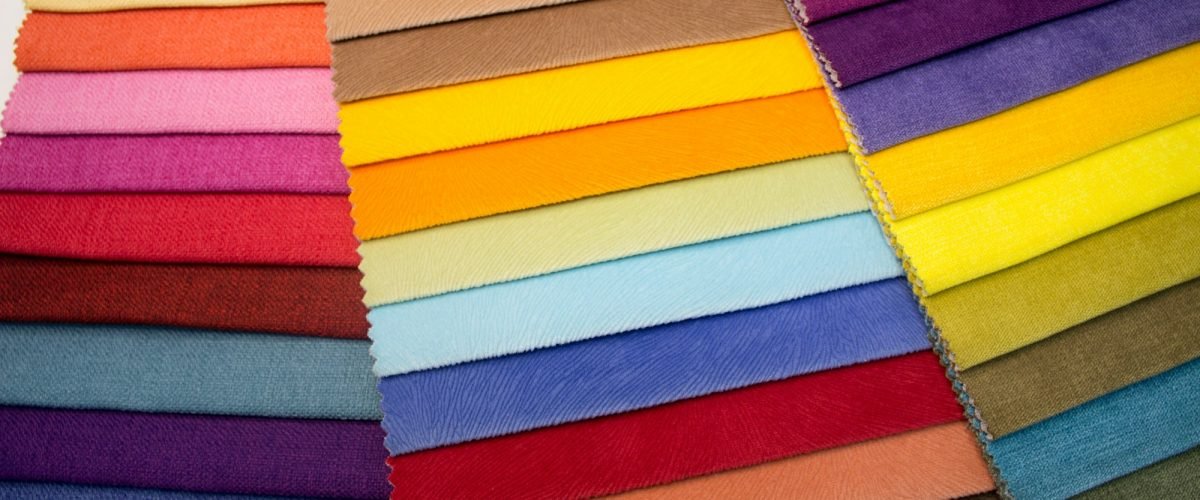
These are samples the factory produces in advance, without custom specifications, to show its manufacturing and its quality. You can request them when you want to import goods that do not need any customization, such as fabric, for example. You can get these samples quickly from many sources, but they are not a useful way to determine a factory’s ability to customize a product for you.
Factory samples can be divided into two main types:
- Material samples: the materials used in manufacturing.
- Component samples: the parts that make up the product.
2. Pre-production samples of customized products
This is the type of sample you get when you order a product with special specifications, to confirm that it matches the standards you requested and to gauge the supplier’s efficiency in customizing products.
Samples of this type are a key checkpoint: after them, you can give approval to start producing the required quantity, or drop the supplier and choose another. You must have backup suppliers
and do not let the supplier fill the gaps for you, for example by choosing the materials and components themselves and persuading you to accept them, because this may lead them to use cheap, substandard materials.
3. Production-stage samples
These are samples of each part of the product before assembly, if you are ordering a product made up of several parts and one part requires a different design or factory.
When you request this type of sample, you can make sure of:
- Inspecting the product for defects.
- Functional testing of each part separately.
- Quality control.
We recommend working with a third party – inspection and audit companies – to carry out an inspection after a batch of samples has been collected, to make sure the supplier is not providing samples that do not come from the actual batch of products.
4. Virtual product sample
These are samples created digitally with 3D design software to display and test the product in a digital environment. This type is not a substitute for physical samples; rather, it is a convenient way to make sure the supplier understands your order, or to simulate how the sample works before it is produced.
Third: the right way to request samples of the products you need
Now that you know the types of samples you can request, it is time to start requesting samples. Here is the right way to do it:
1. Send a clear message
The message should be clear and include full details of everything you want. Write the email in simple, clear language, or communicate through WeChat messages.
2. Include photos and video of the product
Send videos and photos of the product you want, or send photos that you think match the standards of your order.
Example: “We want the color to be the same as the color of this product,” or “We want the product’s exterior to look like the shape in the photo,” and so on…
3. Identify every required detail and prepare a product specification sheet
You should focus on any detail of the product that you consider important, and build your own product specification sheet that includes all the specifications precisely. The deeper you go into the product details, the better for you and for the supplier.
4. Ask: how might the samples sent differ from the final products after manufacturing?
When a factory produces large quantities of products, they usually have standardized specifications. But if you request a sample with special specifications, the factory may use different materials or even different machines to produce that sample. The problem can appear when you order a large quantity with the same specifications as the sample, because the materials or machines used may not be readily available for mass production.
So when requesting a sample, it is important to ask the supplier:
- Will the final product match the sample exactly?
- Are the materials used in the sample available for producing large quantities?
- Are any differences expected between the sample and the final product?
This helps you avoid surprises and ensure product quality in large-scale production. So, when requesting product samples, you should ask the supplier how much the sample will differ from the product once you order the full quantity.
Fourth: request samples from more than one supplier
You should not settle for a single supplier. We recommend contacting at least 10 suppliers and requesting samples from them, creating a reference list of them, and then comparing them in terms of how closely their samples meet the quality you need, and how quickly they respond, manufacture, and ship.
Fifth: paying for product samples from suppliers
The price you pay for samples may differ from the final price of the product when the full agreed quantity is shipped, or the sample may be priced at the product’s normal price. This depends on the agreement between you and the supplier.
In general, however, the ways of paying for samples vary according to several considerations:
- Paying for the sample at the normal price
Here you must pay for the sample according to the agreed product price and bear the cost of shipping the sample. It is usually recommended to ship this sample by air freight, so that it arrives quickly and safely.
- Sharing the cost between you and the supplier
That is, agreeing with the supplier to share the cost of the product and of shipping it to you.
- Deducting the sample’s value when you order
Some suppliers agree to deduct the cost of the samples from your first order.
- Adding the sample costs to the cost of the first order
This means the sample costs are added to the costs of your final order.
- The supplier alone bears the costs of making and sending the sample
As we said, all of these considerations are agreed with the supplier; just be prepared that, if the samples match your order, you will order a larger quantity.
Sixth: when a supplier refuses to send samples
There is a small chance you will face this, for example a supplier evading your request for samples of your product. It can happen, although it is unlikely.
This may come down to two main reasons:
- Perhaps you did not show professionalism or did not show that you are serious about working with them, so they may refuse to send you the samples. But as long as you are willing to pay the costs, we do not think the supplier will evade it.
- More often, this supplier may not be honest in their dealings and may intend to defraud you, so you should stay away from them.
In general, if you come across this, show that you are ready to pay the costs of the sample request; if the supplier still refuses after that, do not try to contact this supplier again, and do not deal with them in the future.
Summary
Requesting product samples from suppliers is an indispensable step, now that you know all the criteria for requesting samples, to ensure product quality and the success of the import process. By understanding the types of samples, using a clear wording to request them, and negotiating their costs, you can reduce risks and make sure the final product matches your expectations. By following the steps and tips above, you will be able to choose the most suitable supplier and build a successful business relationship.